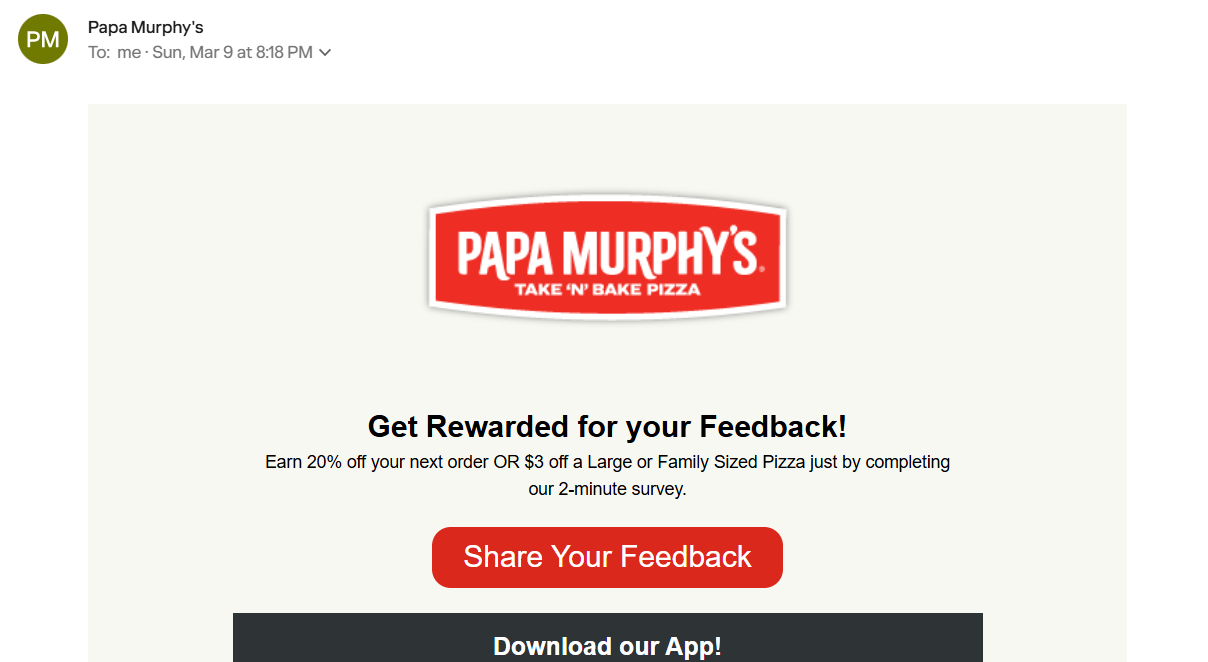
Think about the last time you downloaded a free checklist, spun a “win a discount” wheel, or answered a two-question poll on a website. Felt harmless, right? Maybe even a little fun. That was no accident. You were making a micro-commitment—and you were being guided, ever so gently, down a path.
Modern sales funnels aren’t about the hard sell anymore. Honestly, they can’t be. We’re all ad-blind, banner-averse, and subscription-weary. The real magic—and the real psychology—happens in the quiet, almost invisible steps. It’s the art of the micro-commitment. Let’s dive in.
What Exactly Is a Micro-Commitment? (It’s Simpler Than You Think)
In essence, a micro-commitment is a small, low-effort action a prospect agrees to take. It requires minimal risk, time, or cognitive load on their part. The goal isn’t to close a sale. Not yet. The goal is to get a “yes.” Any yes.
Psychologically, this taps into a few powerful principles. First, consistency bias—once we take a small action, we tend to want to align our future actions with that initial commitment to feel consistent. It’s why signing a petition makes you more likely to donate later. Second, it leverages the foot-in-the-door technique, a classic social psychology concept where agreeing to a small request increases compliance with a larger, related request down the line.
But here’s the deal: in a digital world, the “foot” isn’t a salesman’s shoe on your porch. It’s a click. A tap. A single typed word.
The Mental Shortcuts We Can’t Resist
Our brains are wired to seek efficiency, using mental shortcuts called heuristics. Micro-commitments are, in a way, designed heuristics. They make the next step feel like the obvious, easy, default path.
Reducing Perceived Risk & Overwhelm
A “Buy Now” button screams risk: financial, buyer’s remorse, commitment. A “Learn More” button? Much safer. By decomposing the journey into tiny steps, you’re not asking someone to climb a mountain. You’re just asking them to take a single stair. And then another. Before they know it, they’re halfway up.
The Endowment Effect in Digital Form
This is a fascinating one. We value things more highly simply because we own them. Micro-commitments can create a sense of psychological ownership early. Customize your avatar? You’re now invested in the platform. Save a product to a “favorites” list? It starts to feel a little bit yours. That emotional connection is a powerful driver for future purchases.
Micro-Commitments in Action: The Funnel, Re-imagined
So what does this look like in a real, living sales funnel? It’s less of a slide and more of a staircase.
| Funnel Stage | Traditional Ask | Micro-Commitment Approach |
| Awareness | “Sign up for our newsletter!” | “Which topic interests you most?” (Single click choice). Or, “Get our one-page PDF guide.” |
| Consideration | “Book a demo.” | “Watch a 90-second case study video.” Then, “Calculate your potential savings with our tool.” |
| Decision | “Start your free trial.” | “Create your account username.” Then, “Add your first team member.” Each step is its own page, its own small “yes.” |
See the shift? The entire process becomes a conversation built on affirmed consent, rather than a series of gates.
Crafting Your Own Micro-Journey: A Few Practical Tactics
Okay, theory is great. But how do you build this? You start by mapping the journey backward from your goal and asking: “What’s the smallest possible commitment that leads here?”
1. The Progressive Profile
Instead of a monstrous 10-field form, ask for an email. Later, after they’ve consumed some value, ask for a name. Later still, maybe a company size. You’re building a profile through interaction, not interrogation.
2. The “Zero-Cost” Opt-In
These are the classic lead magnets, but with a twist. The best ones feel hyper-specific and instantly useful. Think: “Download our SaaS negotiation email script” not just “Marketing Ebook.” The commitment is the download, but the value received builds immediate goodwill.
3. Interactive Content & Quizzes
“Find your marketing style in 5 questions!” Quizzes are micro-commitment engines. Each question is a small engagement, and the personalized result at the end—well, that leverages the endowment effect we talked about. That result is theirs.
4. The Single-Action CTA
On a pricing page, beside the “Start Trial” button, have a simple text link: “See a sample invoice.” Or “View a filled-out dashboard.” It addresses a specific, low-friction curiosity and keeps the momentum going for a hesitant visitor.
The Pitfalls to Avoid (It’s a Balance)
This isn’t about manipulation. In fact, get that wrong and it backfires spectacularly. The key is alignment: every micro-step must deliver a proportional “micro-value.” If someone gives you their email for a checklist, and you immediately hit them with a high-pressure sales call, you’ve broken the psychological contract. The funnel collapses.
Also, friction isn’t always the enemy. A little friction can be good—it ensures the people moving forward are genuinely interested. The goal is to reduce unnecessary friction, the kind that comes from confusion or anxiety, not from thoughtful engagement.
The Bigger Picture: Trust as the Ultimate Currency
At its heart, the psychology of micro-commitments is about building trust through demonstrated understanding. It says, “I know you’re not ready to buy. That’s fine. Here’s something useful, no strings attached.” Each fulfilled promise—each PDF that’s actually good, each next step that’s logically relevant—deposits a tiny bit of trust into the relational bank account.
And in a noisy, skeptical market, that account balance is everything. It’s what makes someone, months later, choose you over a competitor. Not because you shouted the loudest, but because you listened, you facilitated, and you made every “yes” feel like their own idea.
So, the modern funnel isn’t a funnel at all, really. It’s a path of least resistance, paved with value. And every micro-commitment is just another stone, laid carefully, guiding the way forward.